

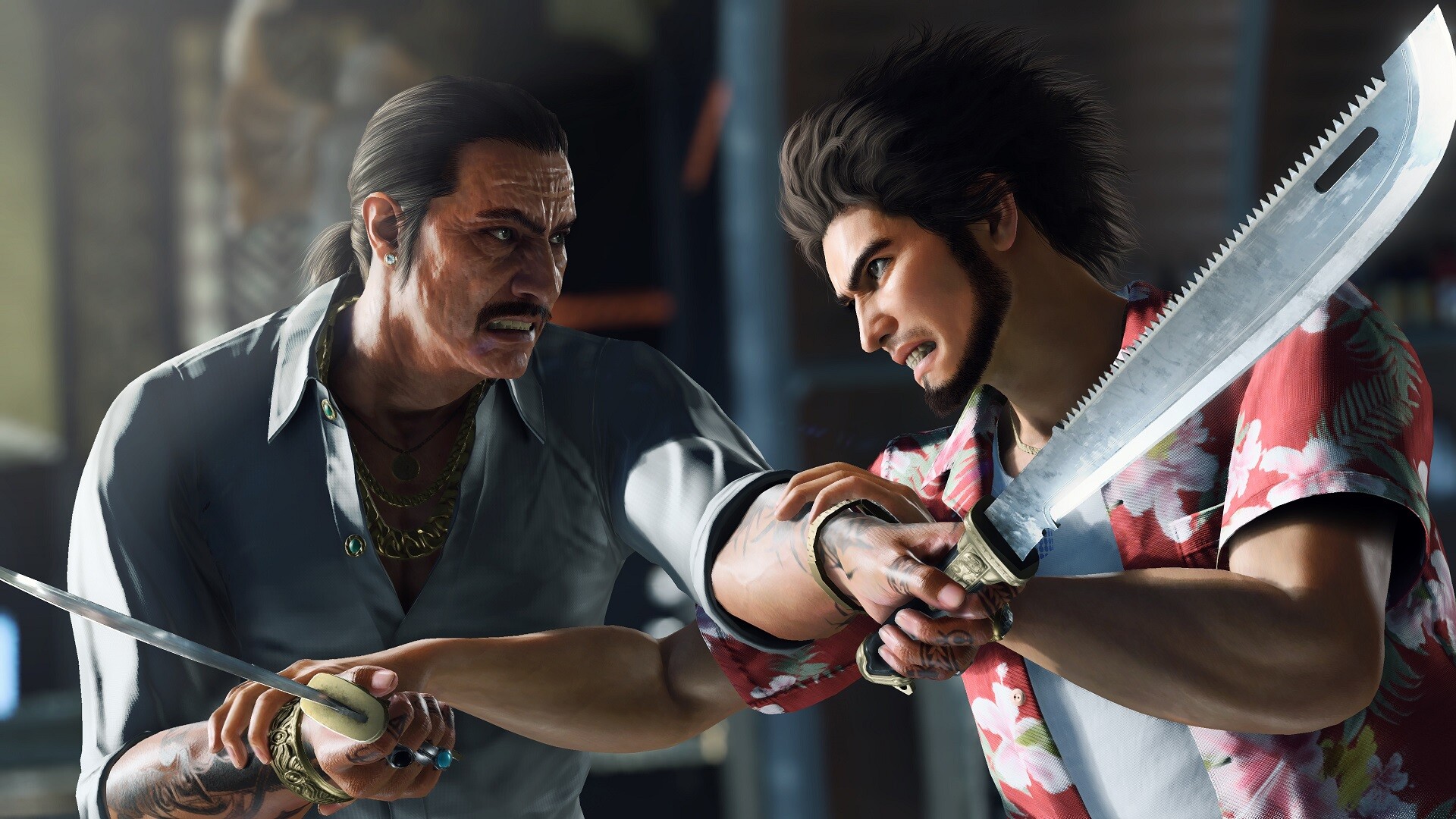
Like a Dragon: Infinite Wealth arrived in January 2024 with an absurdly generous activity roster tucked beneath its turn-based JRPG surface. Ichiban Kasuga lands in Honolulu and, within a few hours of the main story, the game starts handing you side systems that could plausibly fill their own standalone titles. Dondoko Island — a full Animal Crossing-style resort-building mode — sits alongside street photography, card-battle mini-games, and a suite of venue-based risk-vs-reward set-pieces that the Yakuza series has refined across two decades. This is a guide to all of it: what each activity actually involves mechanically, which ones reward time investment, and why RGG Studio's design philosophy around these sequences is quietly one of the smartest in the business.
The heist-adjacent strand of game design — the one that runs from Ocean's Eleven through GTA V's Diamond Casino Heist arc, through Hitman: World of Assassination's Mendoza vineyard, and into the Yakuza / Like a Dragon lineage — is built on the same tension: you are in a charged venue, rules apply, and breaking them (or mastering them) is the point. Infinite Wealth commits fully to that tradition while wrapping it in Hawaiian sun. Every mini-game here has mechanical depth that rewards attention. Here's where to find them and what to do once you do.
Dondoko Island: the long game hiding in plain sight
Accessible from Chapter 4 onward, Dondoko Island is introduced as a trash-strewn resort that Ichiban agrees to rehabilitate for reasons the story eventually makes coherent. The loop is familiar to anyone who has played Stardew Valley or Disney Dreamlight Valley: gather materials, craft furniture and facilities, attract visitors, and raise your star rating. RGG Studio has layered in a real-time crafting queue, a pest-combat system that uses stripped-down turn-based mechanics, and a photography-satisfaction meter that tracks whether guests are getting the shots they want. It sounds lightweight. It is not.
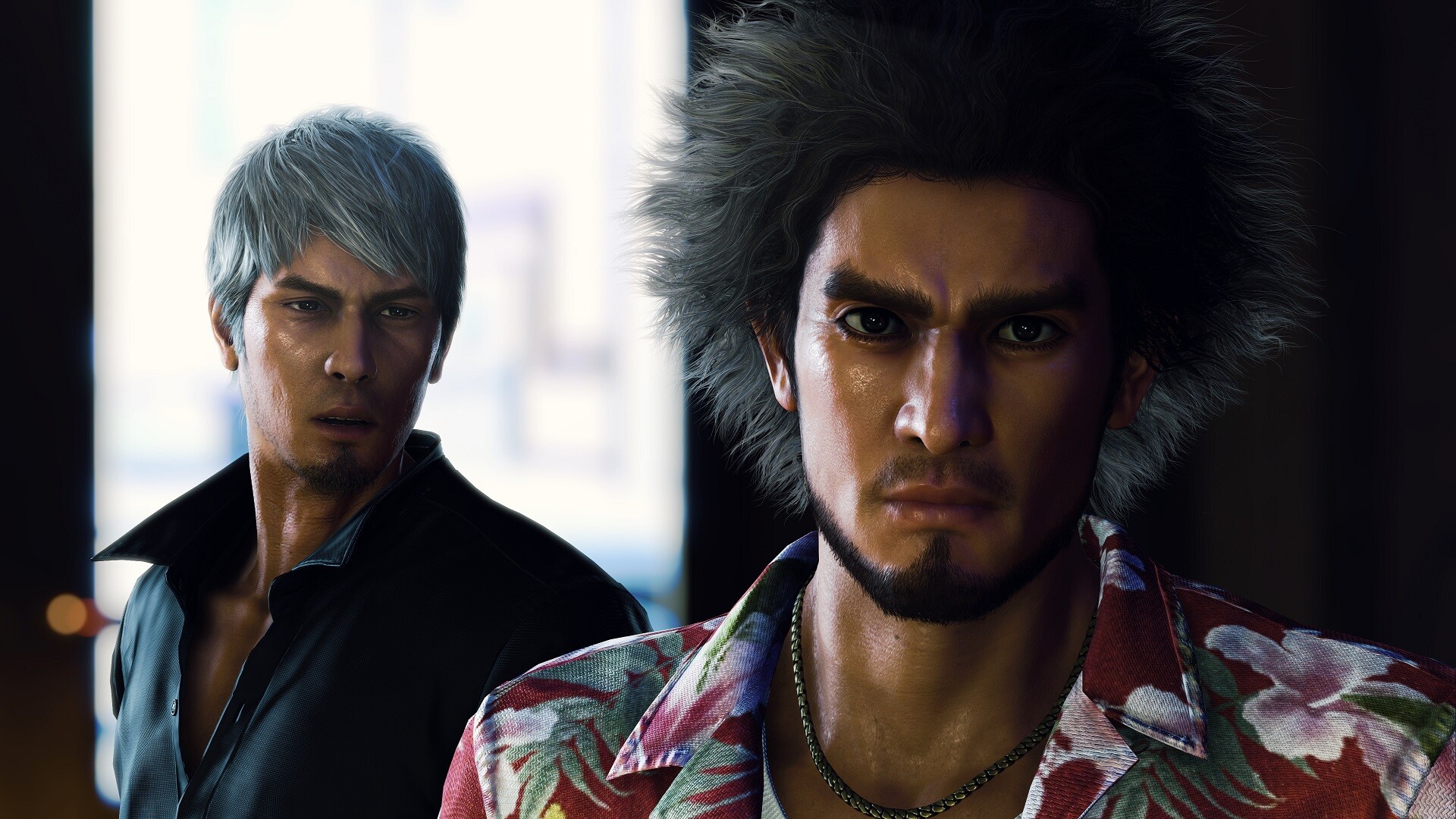
Reaching five stars — the island's maximum rating — requires unlocking every facility category, which means building themed zones (tropical, cute, cool) and balancing them against each other. The design smartly refuses to let you min-max a single aesthetic: high-rated guests penalise monotony. For completionists, the island also contains several permanent story beats, including the introduction of Chitose Fujinomiya as a recurring ally. Her questline is one of the better character arcs in the game and it's gated behind island progression, which is either good incentive design or mildly annoying depending on your patience for resort management.
The island's real mechanical hook is the shop system. As your rating climbs, vendors unlock on the island itself, selling materials that feed back into Honolulu's crafting economy. The two systems are genuinely interdependent in a way that mid-game resource crunches make you feel. Do not neglect Dondoko Island in the early chapters and expect to catch up cheaply later.
Sicko Snap: the photography system and its hidden complexity
Sicko Snap is Like a Dragon: Infinite Wealth's street-photography mini-game, and it earns more of your time than its breezy presentation suggests. Ichiban uses a smartphone to photograph enemies, NPCs, and environmental details across Honolulu's districts. Each photograph is scored on subject framing, timing, and whether you've captured a rare variation of an enemy state — a particular combat animation, an interaction with another NPC, a scripted contextual moment. The scoring rubric is never fully explained in a single tutorial screen, which is frustrating for the first hour and then satisfying once you infer the logic.
The game categorises photographs by rarity tier, and high-tier shots of named enemies unlock entries in the in-game bestiary with lore text that is, genuinely, worth reading. RGG Studio has always treated its enemy-design lore seriously — the Yakuza series' mahjong tutorials were notorious for being functional enough to teach real mahjong — and the Sicko Snap bestiary continues that tradition. Some entries double as hints for the Sujimon system (more on that shortly).
Sujimon: Pokémon-adjacent and strategically substantial
Sujimon is the game's explicit riff on Pokémon — a collectable-battle system where enemies defeated or photographed in the overworld can be recruited into a roster. The battles themselves use a simplified grid, two-vs-two format, with type matchups that shadow the main game's job-class system. It could have been a throwaway distraction. Instead, RGG gave it a dedicated tournament structure, unlockable trainer NPCs with scripted dialogue, and a meta-progression that rewards players who diversify rather than over-investing in a single powerful unit.
The Sujimon League — the series of progressively harder tournament brackets — is accessible from a relatively early chapter but becomes genuinely demanding around the fourth and fifth bracket. Some enemies only become recruitable after specific Sicko Snap photography milestones, which ties the two systems together cleanly. The design logic is sound: two medium-complexity systems that reinforce each other are more engaging than one complex one in isolation.
Where Sujimon stumbles slightly is in roster depth. By the end of the game you'll have seen maybe thirty percent of available units across a full playthrough, and the late-game tournament brackets expose some balance gaps. Three or four Sujimon are so statistically dominant that the tournament structure loses tension in its final stages. A minor complaint in an otherwise well-constructed side system.
The venue set-pieces: Palekana Lani and the Honolulu risk-vs-reward loop
This is where Like a Dragon: Infinite Wealth most directly inherits the heist-subgenre tradition. The Palekana Lani venue district — Honolulu's entertainment hub — contains the game's most structurally complex mini-game cluster. There are five playable table games here, each adapted from real formats: poker, blackjack, mahjong, koi-koi (a traditional Japanese card game), and a Pachinko variant that operates on a pellet-and-peg trajectory system rather than a random outcome generator. The mechanical distinction matters: in Infinite Wealth's Pachinko, player-controlled launch angle and timing directly influence results, which reframes the activity as a skill test rather than a passive one.
The table game implementations are functional. Mahjong in particular is the same complete-ruleset version that Yakuza 0 and Yakuza: Like a Dragon used — RGG has been shipping a playable mahjong tutorial since at least 2017, and there are documented cases of players using those games to learn the actual game. Blackjack and poker operate on standard rules with the game's in-universe currency (Palekana Chips) rather than yen or dollars, which maintains the fictional frame. Films like Rounders (1998) and 21 (2008) helped establish the dramatic visual language of the table-game sequence as a narrative set-piece — the tension of the physical space, the performance of composure, the near-miss — and Infinite Wealth's venue design consciously echoes that framing. The ambient NPC chatter, the dealer animations, the chip stacks on screen: it's atmosphere work, and it lands.
For players grinding toward the Pachinko-linked substories, the skill ceiling is legitimate. There are three substory chains that use Palekana Lani wins as a gate condition, and one of them — involving a recurring character named Tomizawa — is among the funniest writing in the entire game. The narrative stakes of these sequences are low by design, which is exactly right: the tension is mechanical, not dramatic, and the humour fills the space the drama vacates.
Sidekick Bond activities: where the side content serves the main story
Like a Dragon: Infinite Wealth has seven main party members and a sidekick bond system that attaches character development — stat boosts, new moves, relationship story beats — to leisure activities completed together. Each character has three or four preferred activity types. Chitose responds to Dondoko Island progress. Eric Tomizawa, the American party member who functions as the game's most pointed culture-clash joke, prefers the sports activities in Waikiki. Tomura's bond chain runs through mahjong at Palekana Lani. The system is not subtle about steering you back into the activity roster, but the steering is well-matched: the character choices feel motivated rather than arbitrary.
Bond maxing all seven characters before Chapter 10 is practically impossible without a deliberate grinding strategy, and the game does not punish partial completion — bond boosts are additive, not binary. The design comparison here is to Persona 5's Confidant system, another JRPG that used social activity as mechanical scaffolding. Infinite Wealth is less punishing about time management because it has no calendar pressure, which opens up the activity roster to more casual engagement without breaking the systems for players who want to go deep.
What to prioritise and in what order
If you're approaching Infinite Wealth with a completionist mindset, the sequencing matters. Start Dondoko Island in Chapter 4 and check in consistently — the time investment per session is low but the cumulative resource payoff is high. Unlock Sicko Snap early and photograph enemies as you encounter them rather than in a dedicated grind session; the organic approach is faster. The Sujimon League can wait until Chapter 6 or 7 when your roster has breadth. Palekana Lani's table games are worth visiting for the substories; the mahjong chain in particular has a difficulty spike that benefits from going in with some chip reserves built up from earlier sessions.
Bond activities should be woven in throughout rather than batched — the emotional payoff of a bond scene lands better when you've spent time with the character in actual story chapters. Frontloading all of Tomura's bond chain before his Chapter 7 role pays narrative dividends that the game's writers clearly intended.
RGG Studio has spent thirty-plus years building a design philosophy around the idea that the side content is not filler — it is the texture of the world, and the world's texture is the point. Like a Dragon: Infinite Wealth is the fullest realisation of that philosophy to date. The island, the photography, the venue set-pieces, the bond system: none of it is mandatory, all of it is good, and the game is substantially smaller if you skip it. That's a harder design problem to solve than it looks, and they've solved it.
Comments (6)
Solid analysis. Did you try the mod community after the 1.2 patch?
Multiplayer mode adds 30+ hours of replay value. Underrated section.
The pacing in the second act is exactly the issue that gets glossed over in most reviews.
Wish more outlets pushed back on the difficulty spike around hour 10.
Bought it on sale last week — already 18 hours in. Highly recommend.
Best take I've read on this one. The the genre space needs more critical depth.